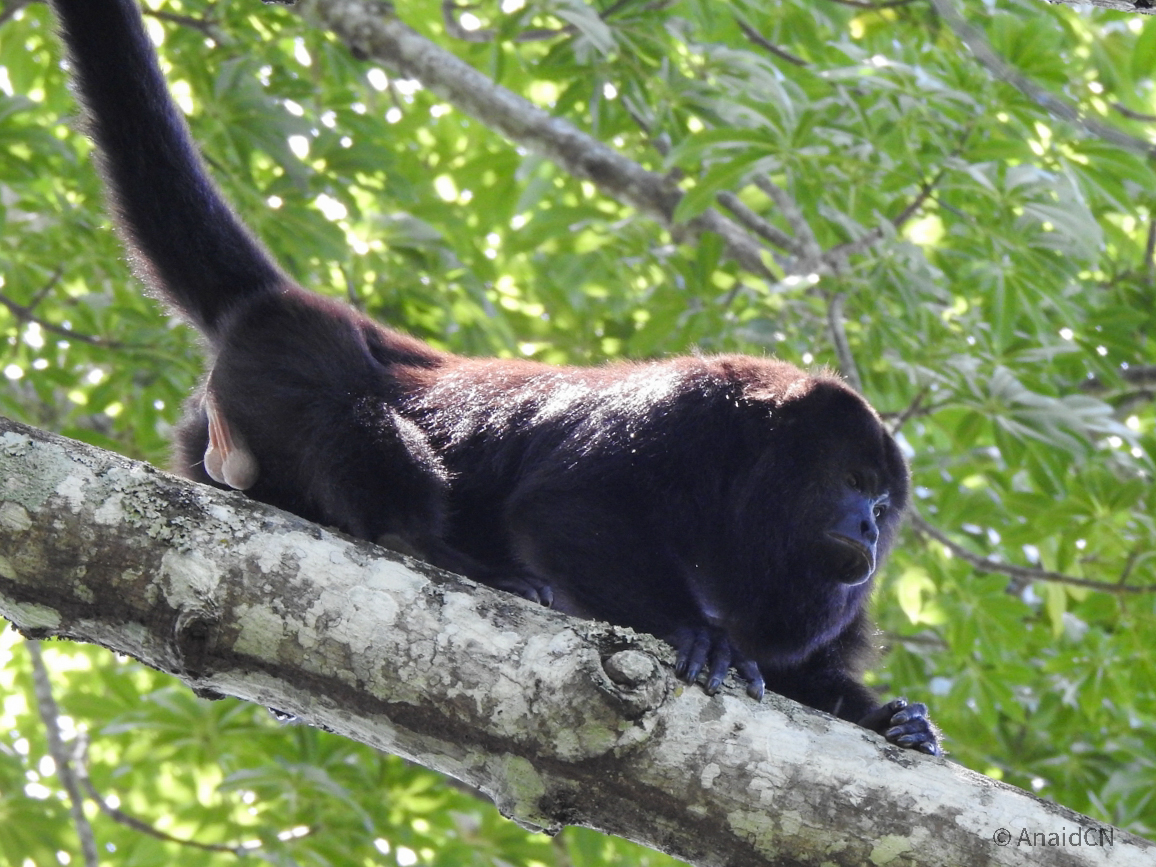
Chato
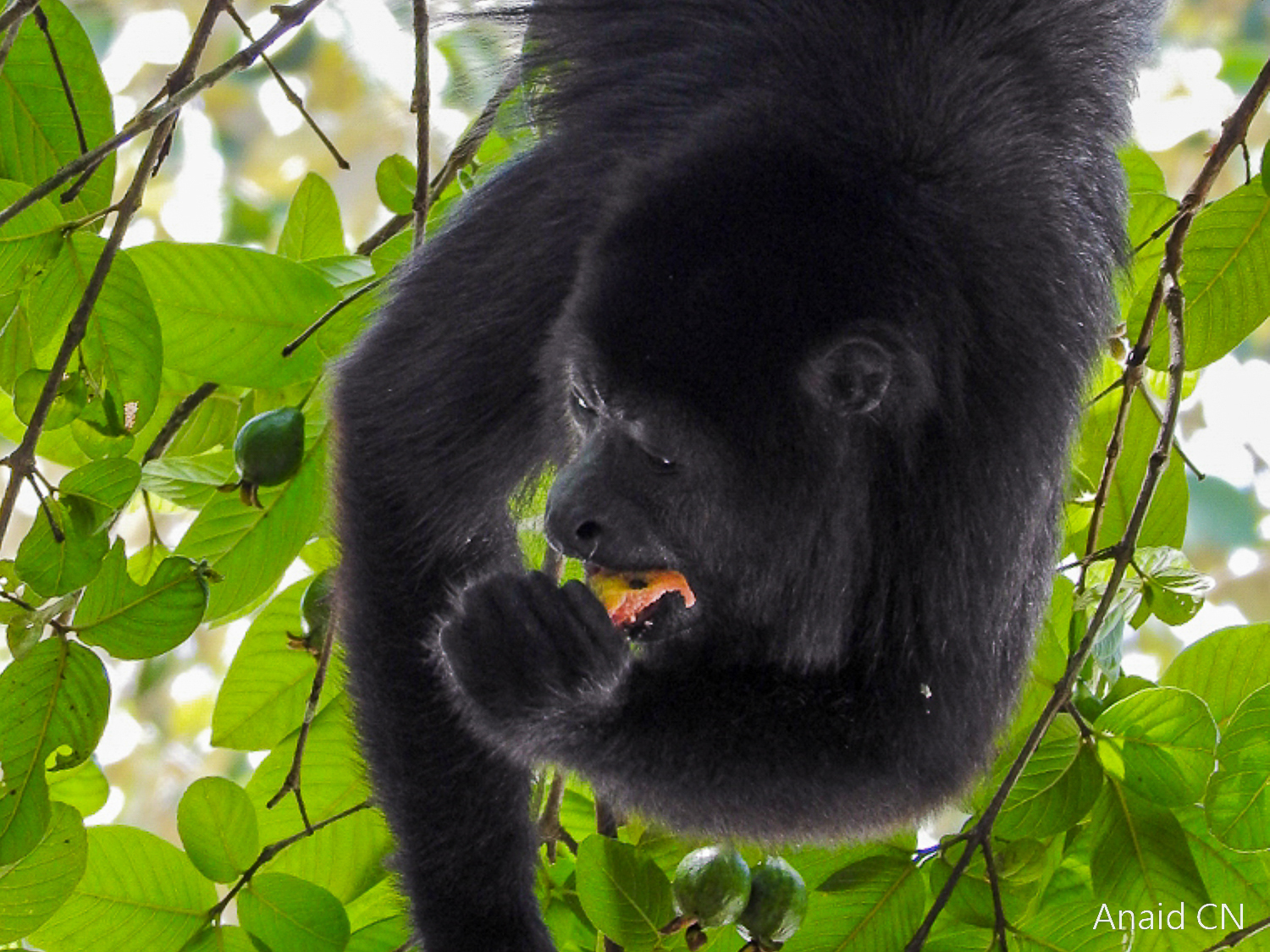
Grumpy but protective, Chato loves the mangoes that the local people of Palenque grow in their yards. These tasty treats, however, aren’t part of their natural diet; they were introduced in Mexico during colonization.
Primate ecologist exploring movement and species interactions in tropical forests and human-modified habitats.
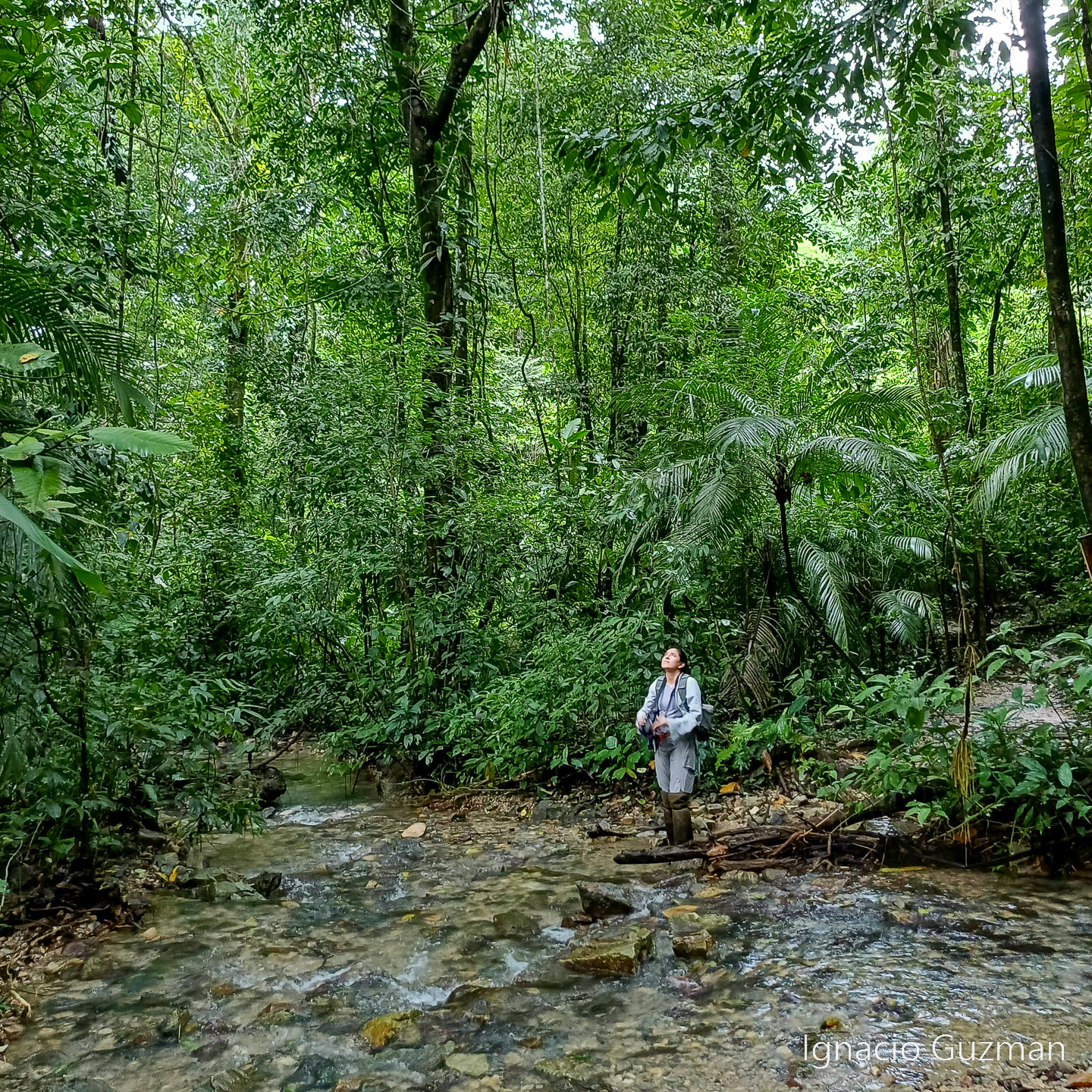
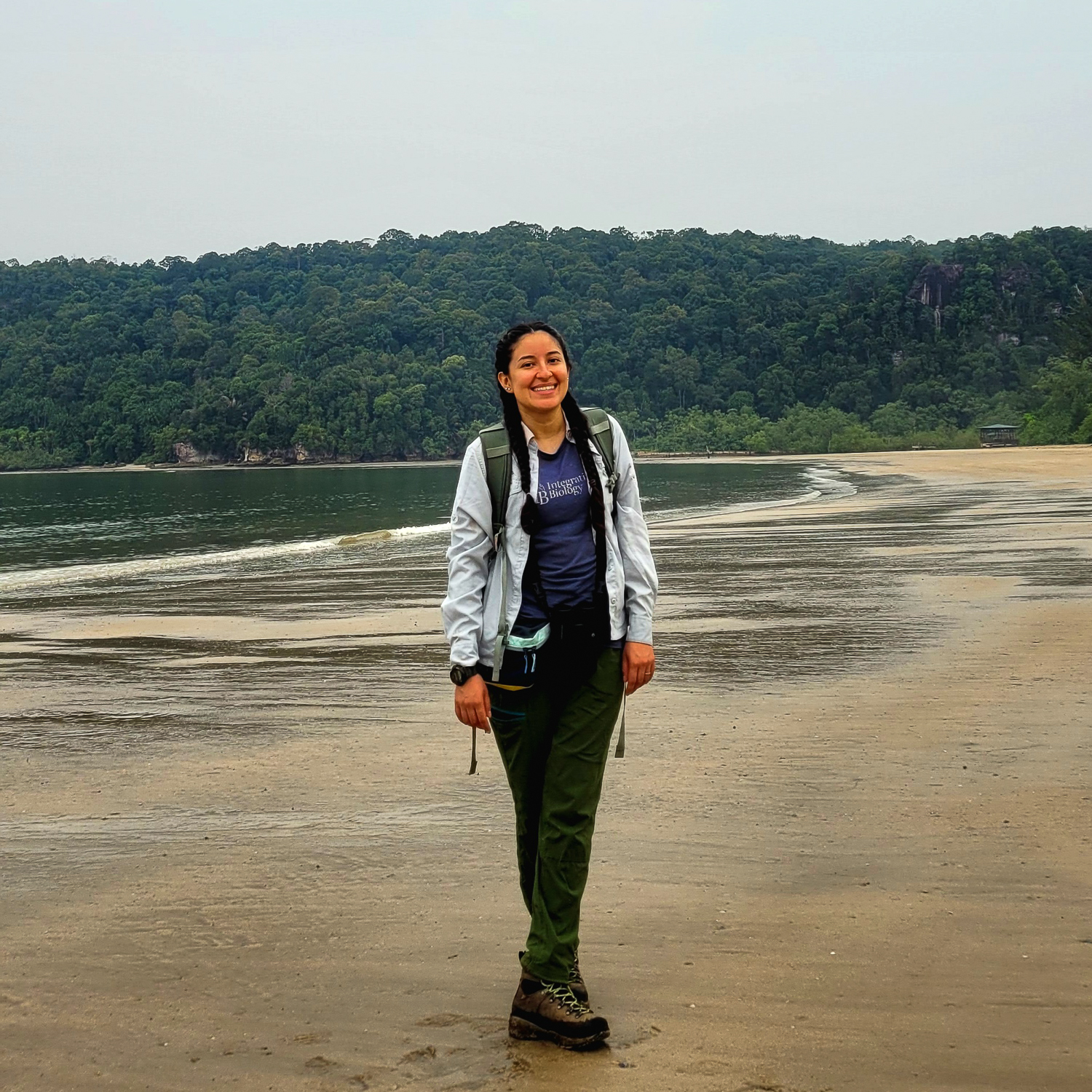
Hello! I’m Anaid, a Mexican biologist and a UC Davis Chancellor's Postdoctoral Fellow in the Department of Anthropology. My research focuses on the behavioral and movement ecology of primates and the conservation of tropical forests. I am currently exploring behavioral flexibility and knowledge transmission among adult Grauer’s gorillas in the Democratic Republic of the Congo, under the mentorship of Prof. Damien Caillaud.
I earned my MSc in Biological Sciences from the National Autonomous University of Mexico and my PhD in Integrative Biology from the University of California, Berkeley. Over the past decade, I have studied the ecology of black howler monkeys in Chiapas, Mexico, while also working on broader themes of biodiversity and sustainable land use.
I’m committed to conservation outreach, mentoring early-career biologists, and collaborating with local communities to promote sustainable coexistence with wildlife. My goal is to help ensure that future generations can experience the same awe and wonder for tropical forests and primates that first inspired me.
My PhD research focused on the mechanism of resilience of black howler monkeys (Alouatta pigra) living in both human-modified landscapes and protected areas of Palenque, Chiapas, Mexico. I study how these endangered primates adjust their behavior, movement, and ecological roles in a gradient of habitat change, and what these responses reveal about the long-term effects of environmental disturbance on ecosystem function.
Beyond my work with black howler monkeys, my collaborations explore questions at the intersection of humans and wildlife; from the links between biodiversity and cultural diversity to strategies for sustainable biocultural conservation, and the role of Indigenous lands and knowledge in global primate conservation.
You can explore my published work and CV here:
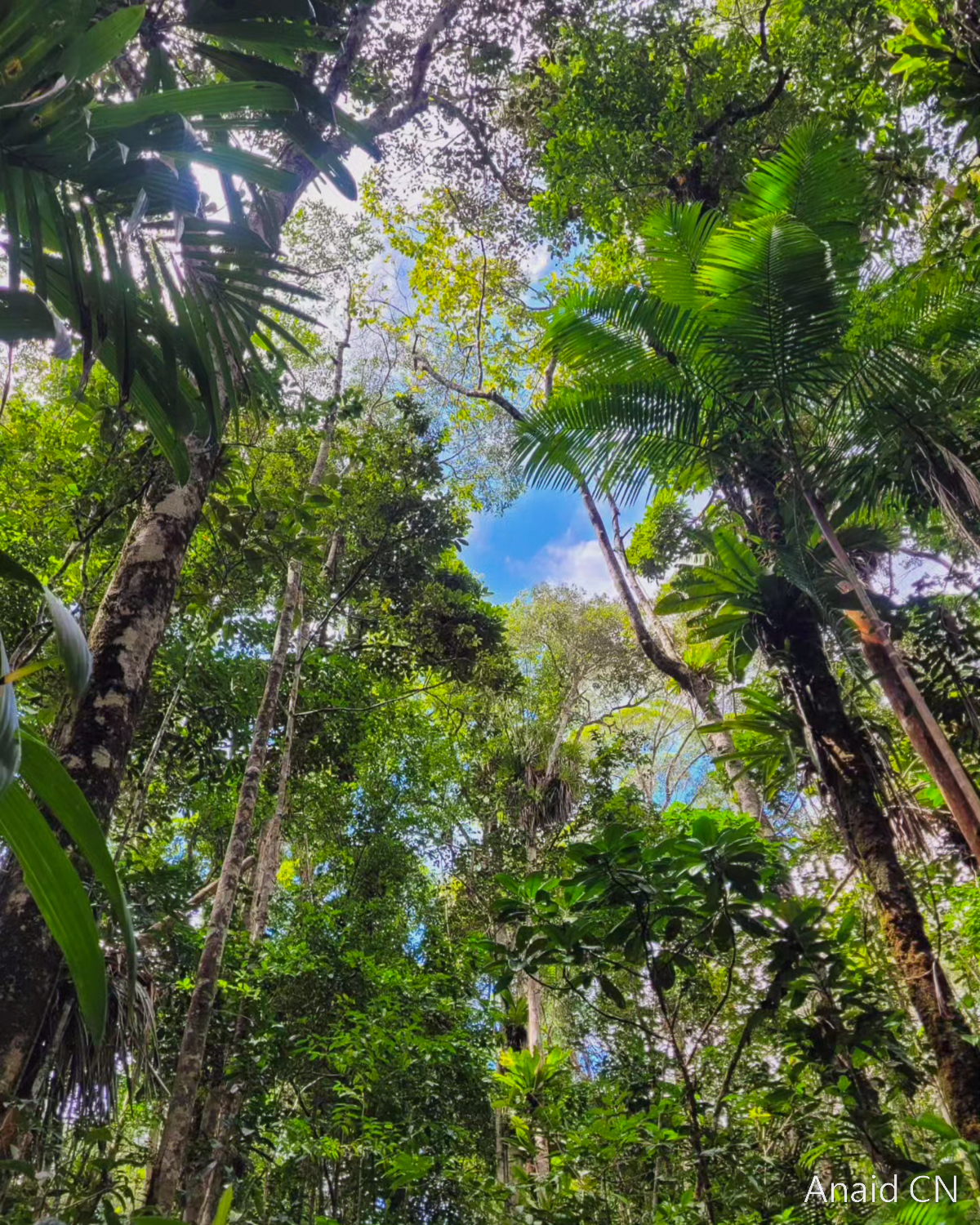
The Yucatán black howler monkey (Alouatta pigra), known locally as "mono saraguato," is a diurnal primate that lives in cohesive groups of 2 to 12 individuals. These groups are usually made up of one or two adult males, several adult females, and their young. Feeding mainly on leaves and fruits, they are also famous for their booming calls, the loudest among land mammals.
Sadly, like many primates, they are endangered. Deforestation, isolation of forest fragments, and human activities such as cattle ranching, plantations, and road building threaten their survival. My work focuses on how these monkeys adjust to human-modified habitats, and I’ve had the privilege of getting to know several remarkable individuals.
Grumpy but protective, Chato loves the mangoes that the local people of Palenque grow in their yards. These tasty treats, however, aren’t part of their natural diet; they were introduced in Mexico during colonization.
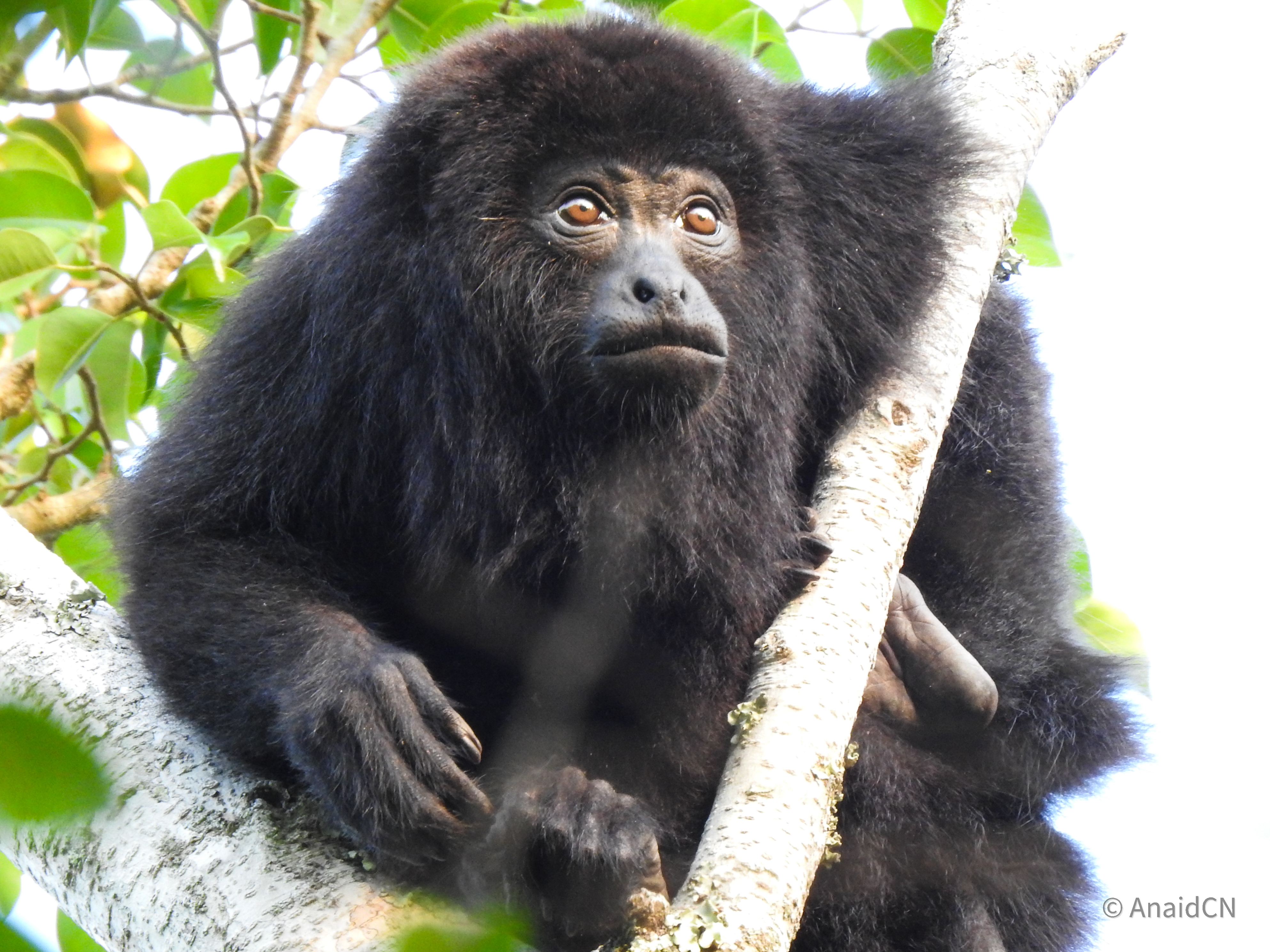
A resilient mother of two, Lumi lives in a rubber plantation with very few trees that provide food. In 2019, I had the privilege of observing her give birth to her second child, a moment I later reported in Primates.
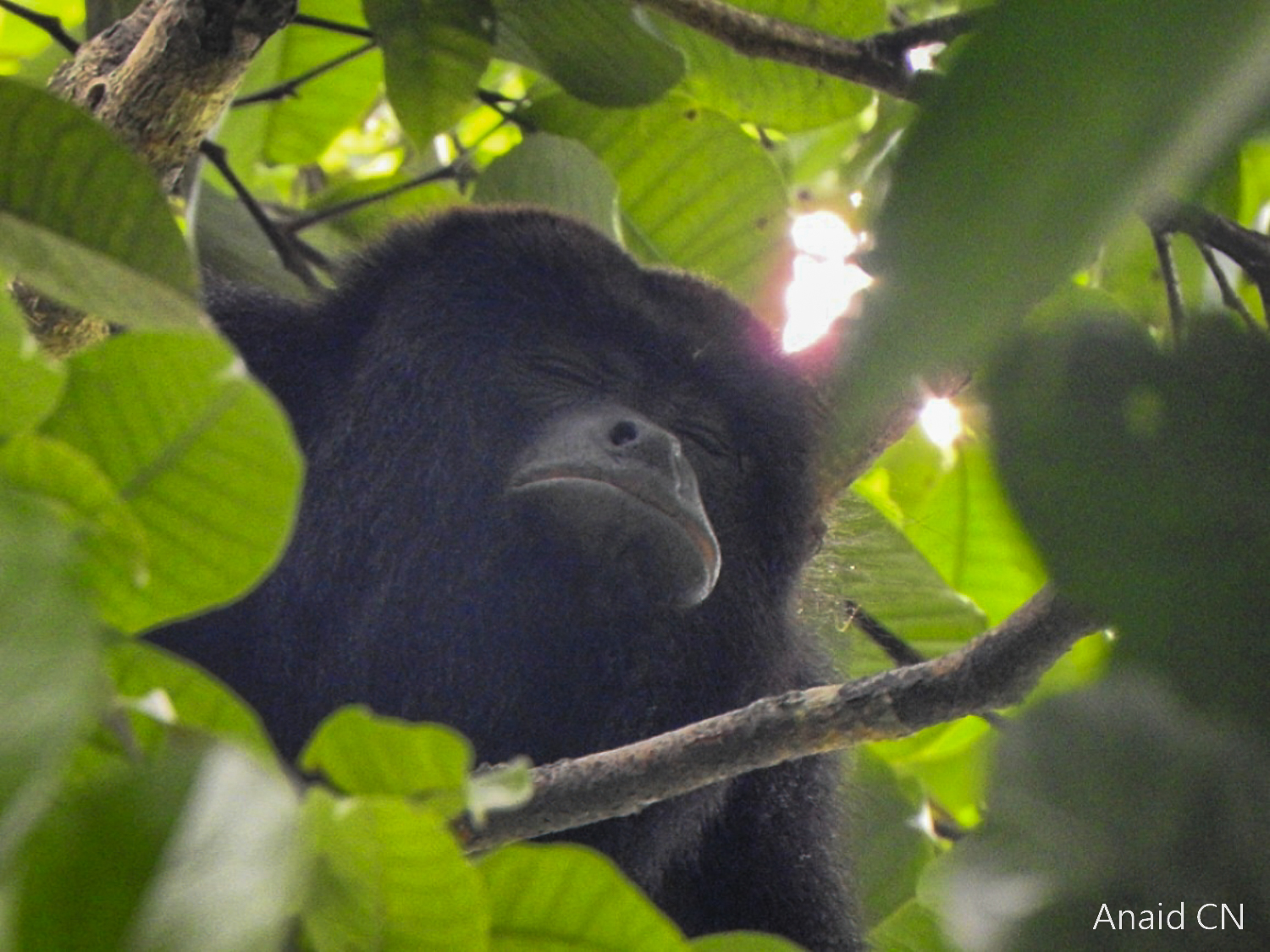
Carmelo is a calm father of (counting...). His group survives in a small forest fragment now surrounded by oil-palm plantations.
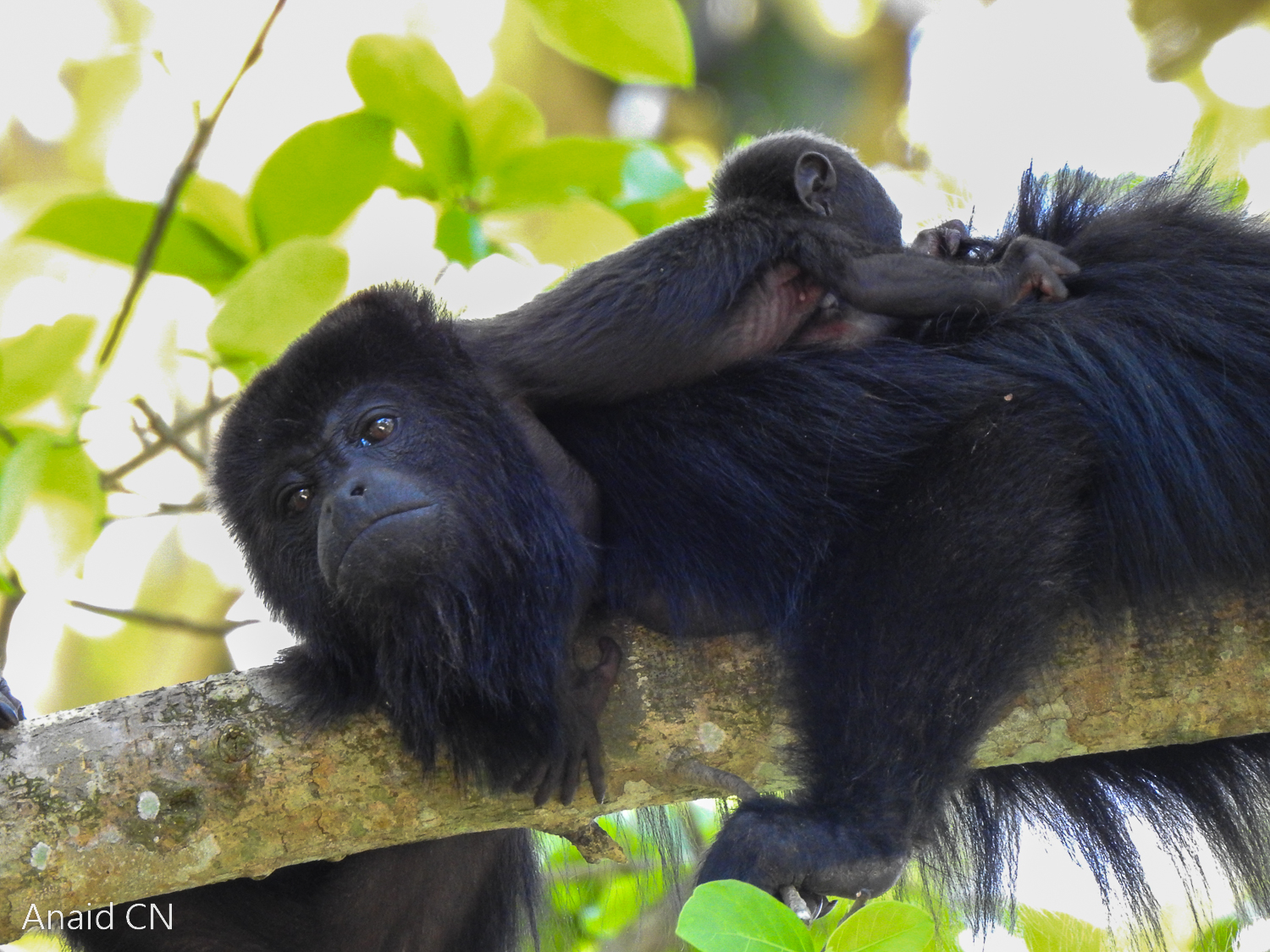
Rosa and her baby live in a forest fragment east of Palenque National Park. Their habitat resembles the park, but is not as big or well-conserved.
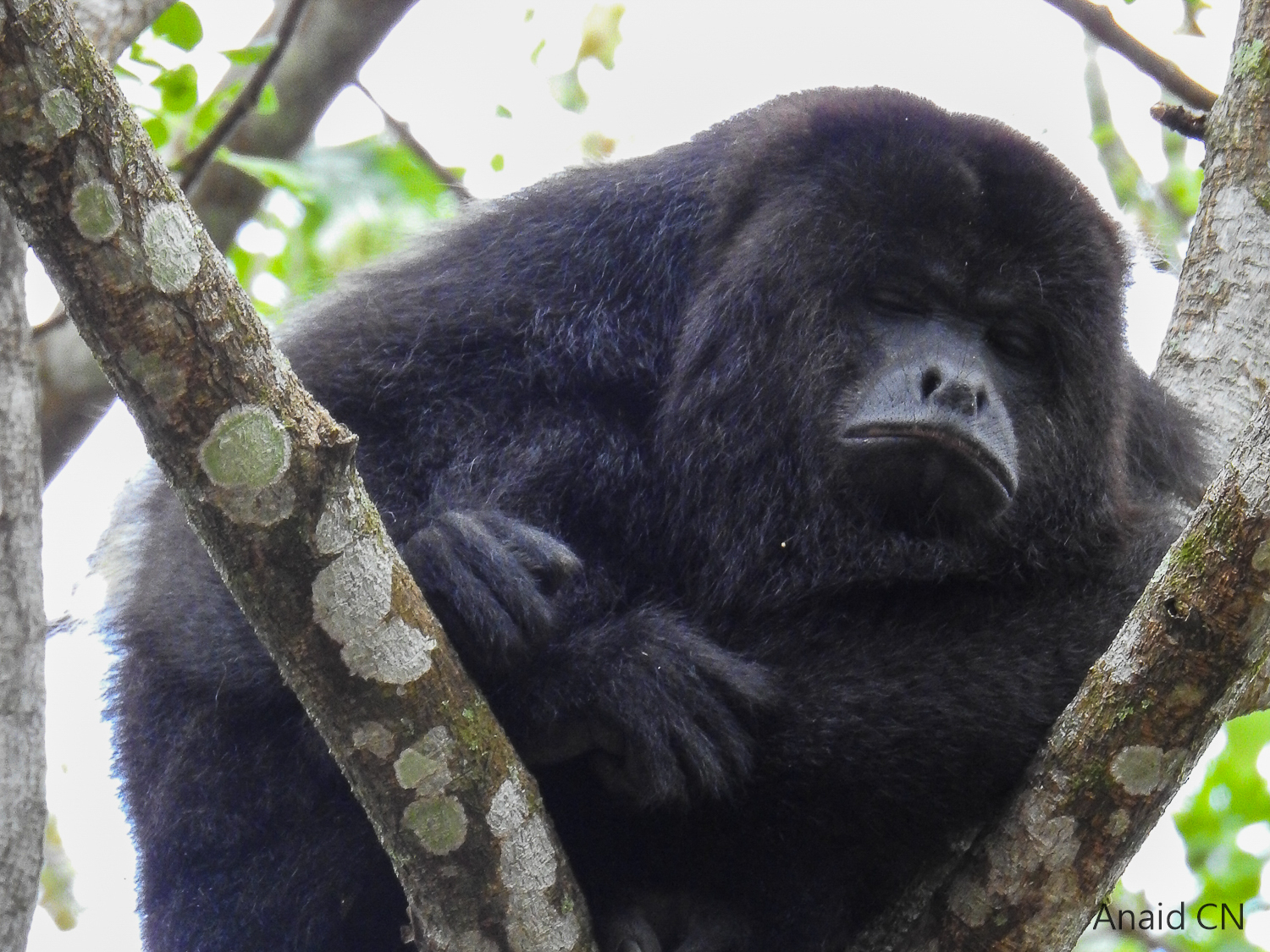
Polo is the grumpiest of them all. He lives with lovely Lili and Lula in a small forest fragment surrounded by cattle ranches, isolated from the larger forest.
Canela lives with her group in the grounds of a local primary school. Some children adore the monkeys, while others still harass them. A bit of a bittersweet coexistence.
Science thrives on collaboration. I'm grateful for the people who support and inspire my research.

I’m part of the Caillaud Lab in UC Davis’s Department of Anthropology. Led by Prof. Damien Caillaud, our group uses quantitative methods to measure and analyze behavior in social species.
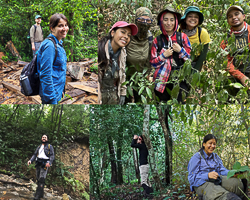
Working in the field isn’t solitary! I've been fortunate to work with the most passionate early-career biologists who became more than colleagues. Among them: Paulina, Irais, Alba, Erika, Liz, Jorge, Nacho, Ulises, Valeria, and my top collaborator in research and life, Dallas Levey.
I partner with Miku Conservación, a Mexico-based NGO devoted to primate conservation, environmental education, and community engagement. Together, we work to safeguard Mexican primates and promote forest conservation for both wildlife and local communities.